
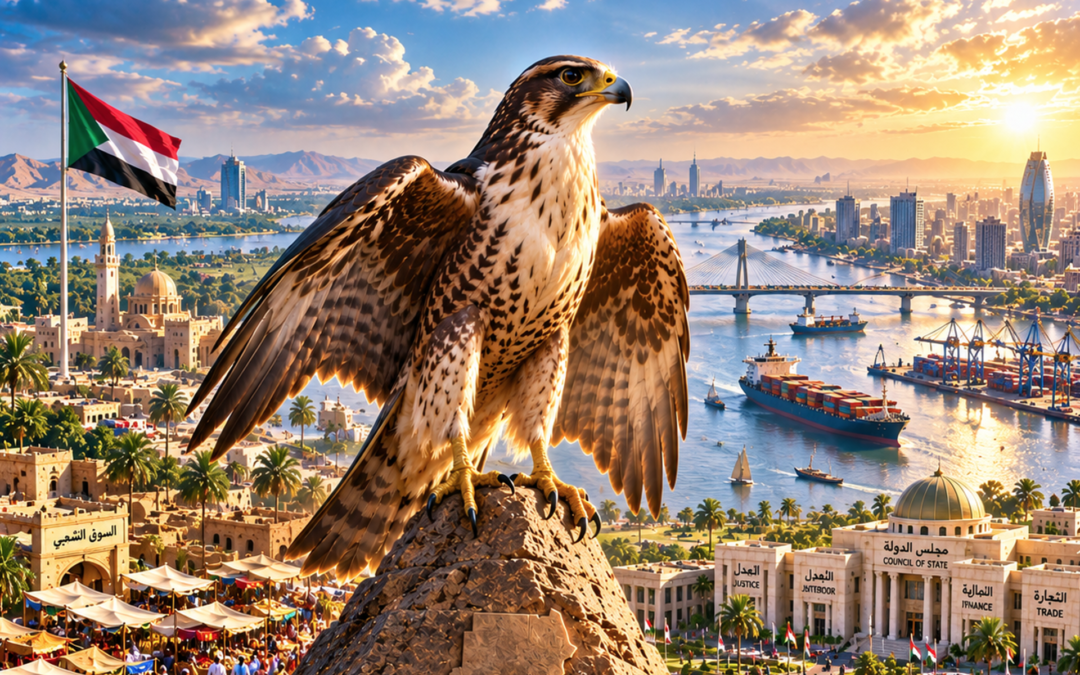
POWER IS NOT A GUN … POWER IS A HIERARCHY | (PART 7) | THE TALONS OF THE STATE
Part (6): The Offer That Went No Further
Ships entered and left the harbour. Markets were full of traders, and fields stretched beyond the hills. Since Amin’s death, the State had changed leaders without stopping its work.
One morning, a delegation returned from across the sea. Its members had helped develop the port, but now they proposed extracting and managing the resources beyond the mountains.
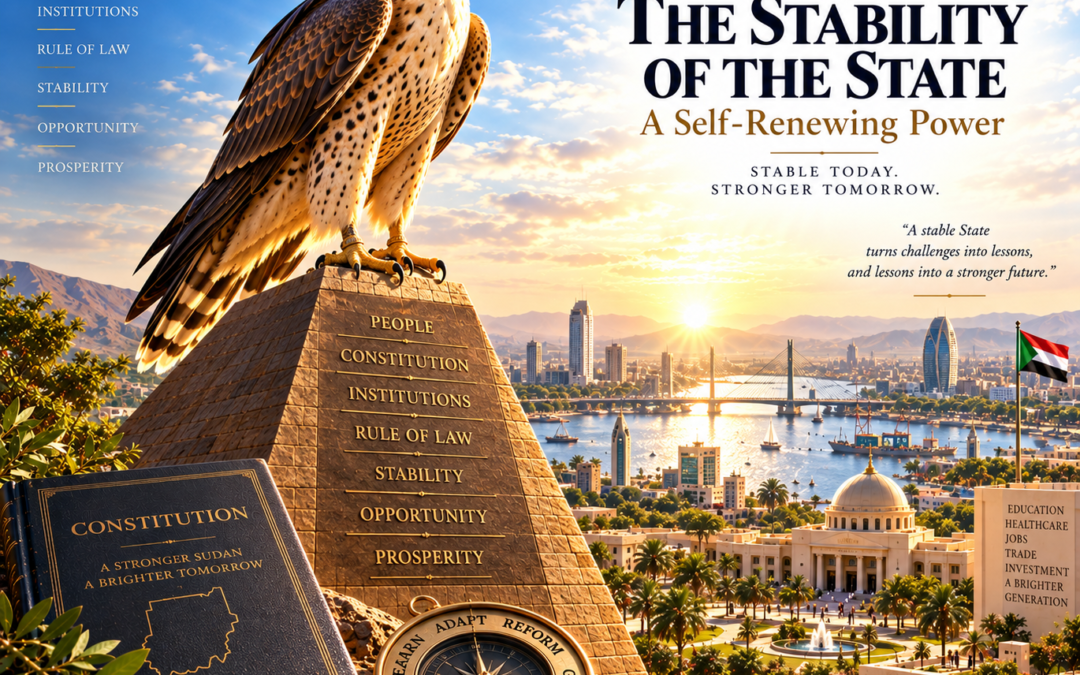
POWER IS NOT A GUN … POWER IS A HIERARCHY | (PART 6) | THE STABILITY OF THE STATE
Part (6): A Self-Renewing Power
The Sudanese Falcon was coming in to land.
Its wings spread wide as its legs reached towards the rock. The moment its feet touched down, its legs bent slightly under the force of the landing, then straightened.
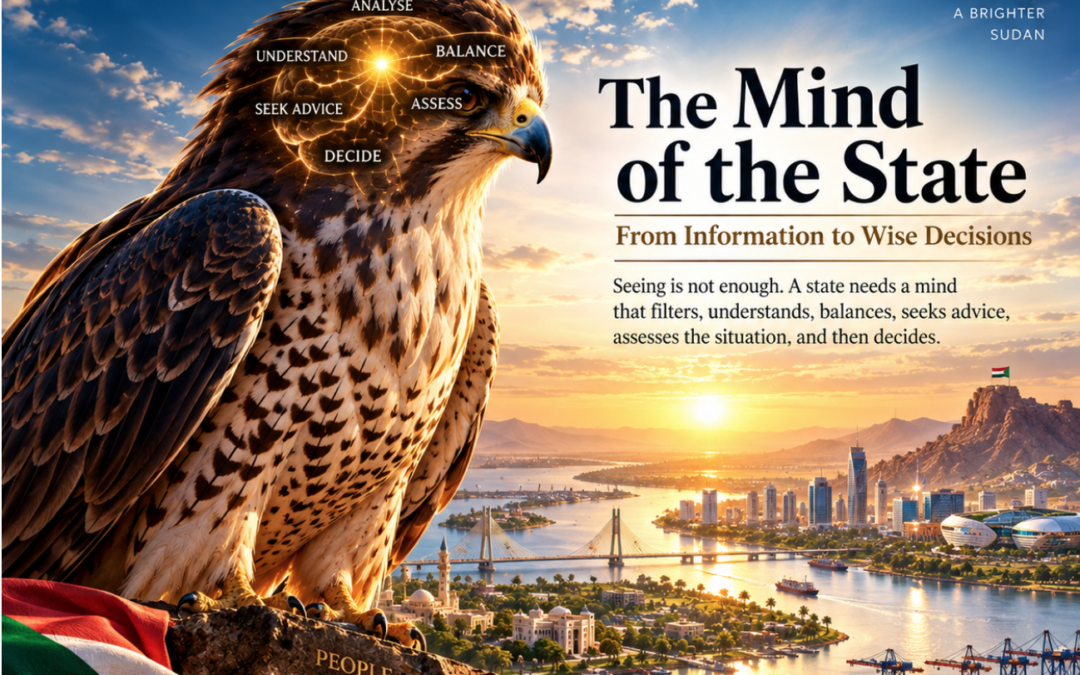
POWER IS NOT A GUN … POWER IS A HIERARCHY | (PART 5) | THE MIND OF THE STATE
Part 5 “I do not only want to know what this agreement will give us today. I want to know what it will make us tomorrow.” Waad’s last question had been simple:
“If the eyes can see the truth… who knows what we should do with it?”
Ahd had not answered him then.

POWER IS NOT A GUN … POWER IS A HIERARCHY | (PART 4) | THE EYES OF THE STATE
Years had passed since the first ship came to rest on their shore.
The community had grown. Trade had expanded. There were now people responsible for land records, agreements, money and security.
One morning, Qadir stood looking across the harbour.
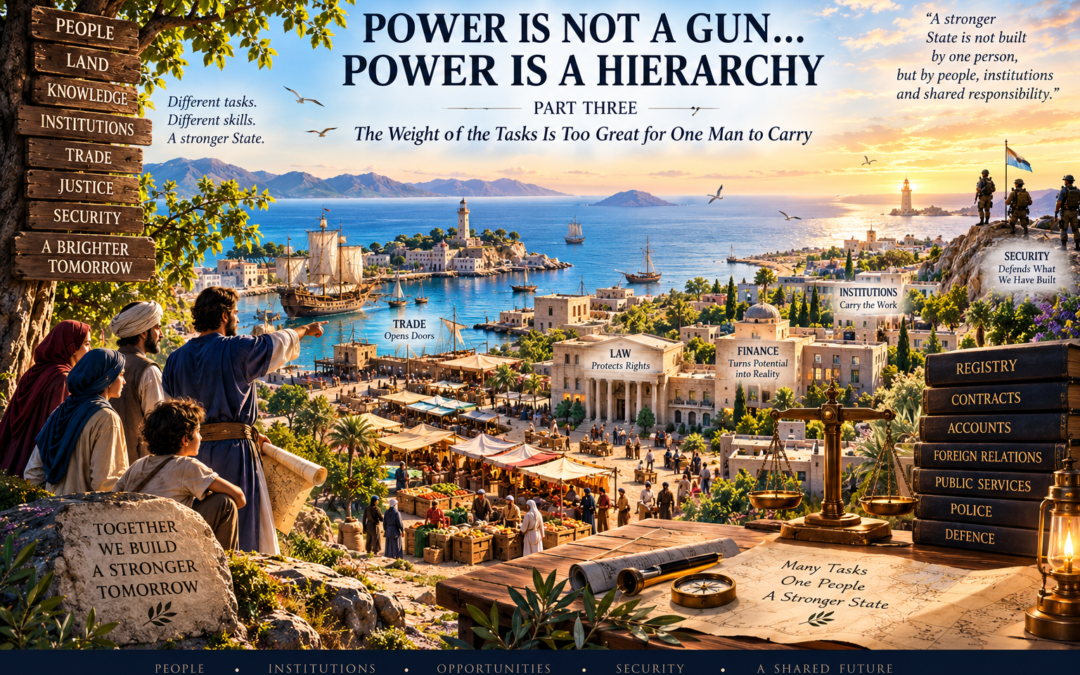
POWER IS NOT A GUN… POWER IS A HIERARCHY | (PART 3) | THE WEIGHT OF THE TASKS IS TOO GREAT FOR ONE MAN TO CARRY
“Their land had not grown much larger. Life upon it had.” A story about the moment a community discovers that power is not one office, one voice, or one weapon — but the capacity to carry many responsibilities at once.
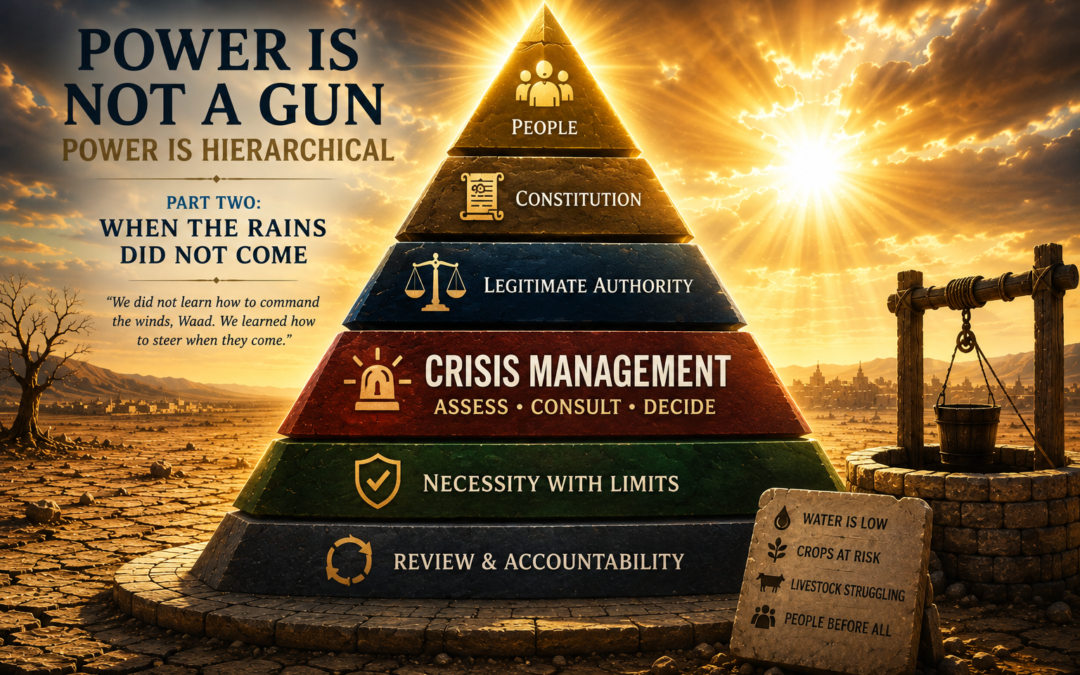
Power is not a gun … Power is a hierarchy | (Part 2) | When the rains did not come …
Years had passed since Waad had said one small word: “Write it down.” The people of the ship had written their covenant, chosen Amin to govern under it, and built a life around it. Farms spread. The market grew. Children filled the school. The land that a storm had once thrown them upon had become home.
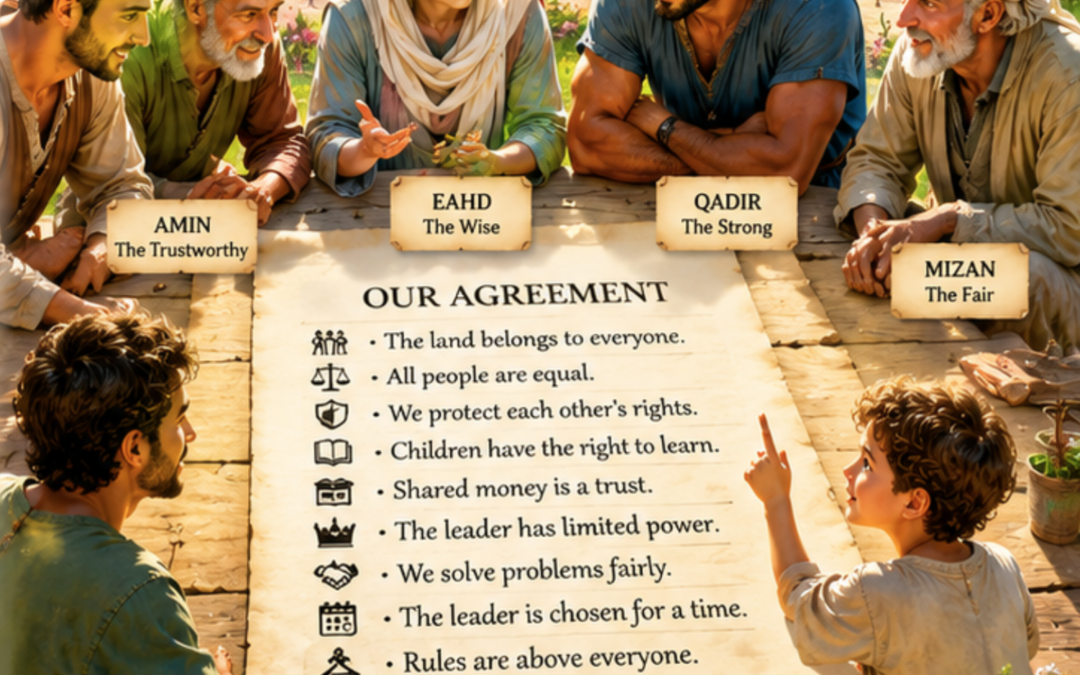
POWER IS NOT A GUN | POWER IS A HIERARCHY | (PART 1) | THE SHIP THAT BUILT A NATION
Imagine a large trading ship setting sail with more than a hundred people on board — men, women and children.
The ship was also carrying cows, sheep and chickens, along with seeds, food supplies and tools for a long journey.
At first, everything went as planned.
Then the sea changed.
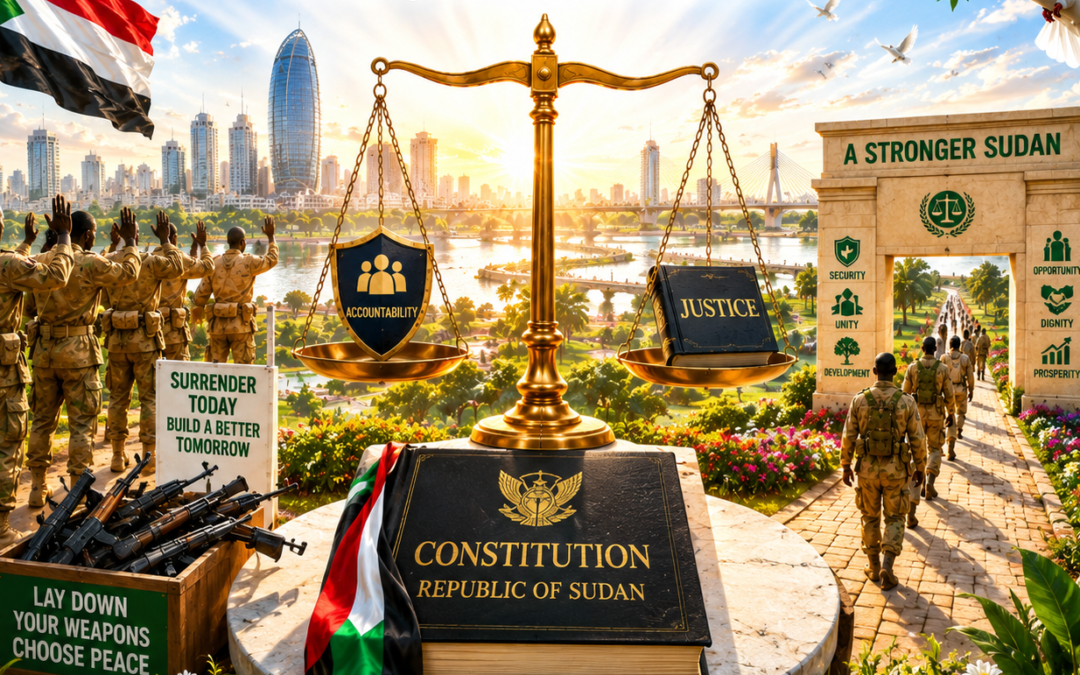
When the Guns Fall Silent…the Law Must Speak Louder
It is undoubtedly in Sudan’s national interest to see fighters from the Rapid Support Forces (RSF) abandon hostilities, surrender their weapons and place themselves under the authority of the State and the Sudanese Armed Forces.
Every weapon laid down, and every fighter who chooses to leave the battlefield, may bring Sudan one step closer to ending the cycle of violence and restoring the authority of the State.
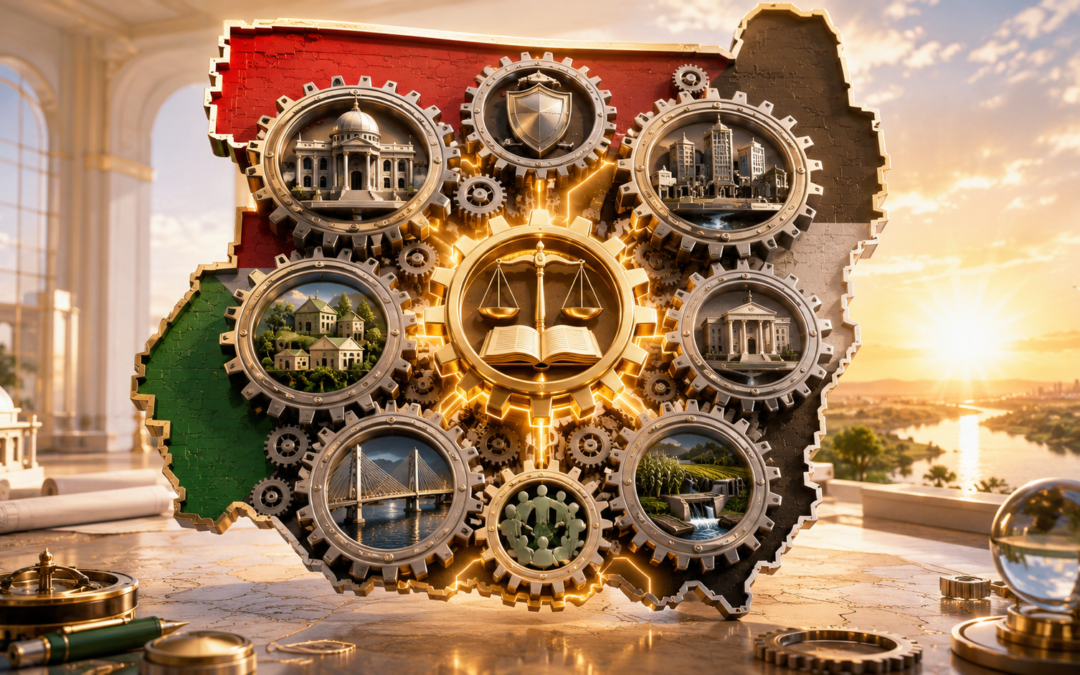
Sudan and the Engineering of Statehood – THE MISSING LEGAL GEAR
Whatever differences may exist over Sudan’s present leadership, one achievement deserves serious recognition: amid a prolonged war threatening the country’s unity, sovereignty and national identity, Sudan’s civilian and military institutions have continued to preserve the foundations of the State.
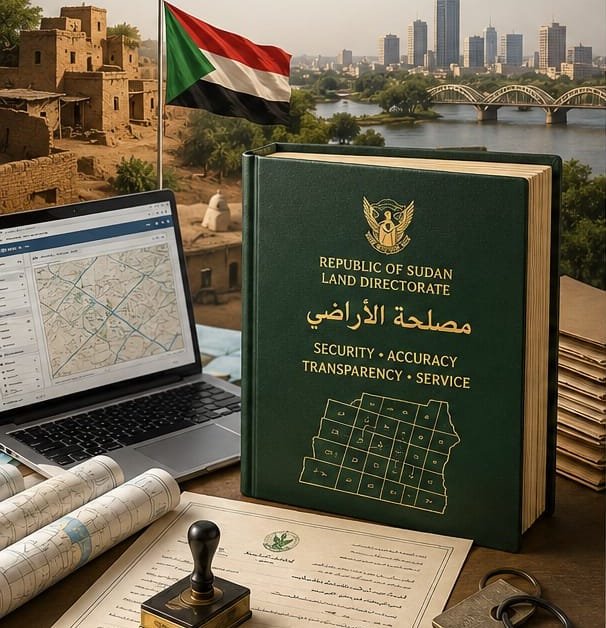
How Do We Protect the Protector? Strengthening Sudan’s Land Directorates to Protect the Nation’s Land
Sudan’s Land Directorates are entrusted with one of the State’s most fundamental responsibilities: protecting and administering the legal record of rights in land.
If the Land Directorates protect our rights in land, the question should therefore not simply be who protects them, but something more constructive: How do we protect the protector?