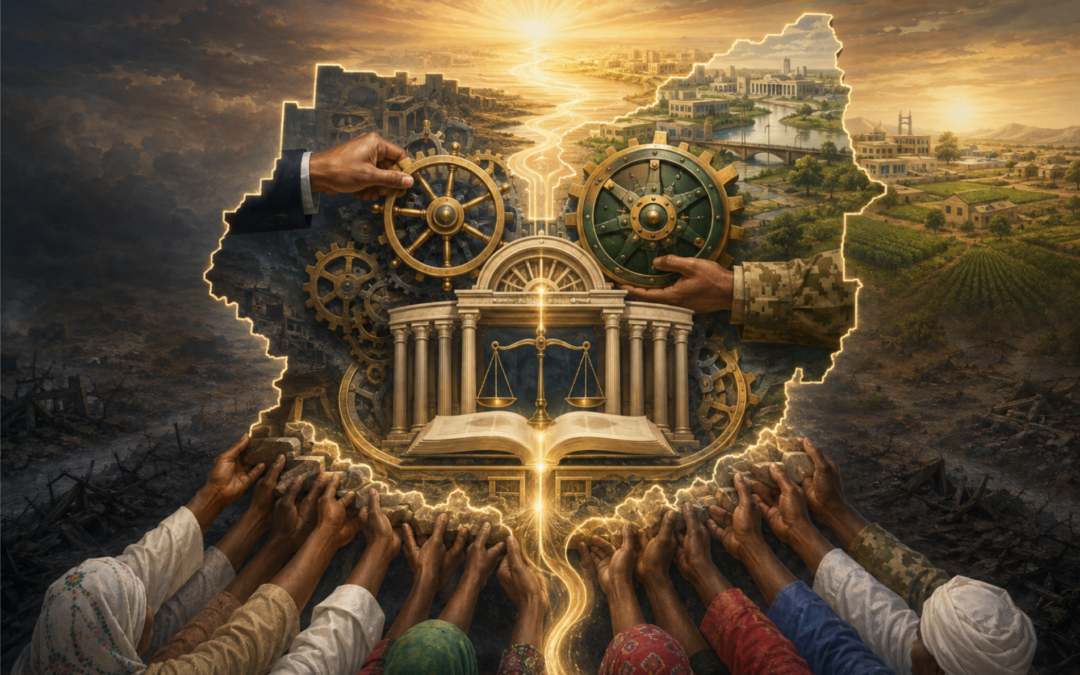
The “Three-in-One” Model of Government: One State, Civilian Leadership & A Professional Military
Could the solution for the great Sudanese people be consolidated into one governing concept? Imagine Sudan as a vehicle representing the State and its institutions: the civilian in the suit occupies the driver’s seat, the military in uniform protects the journey, and the Sudanese people provide the fuel that moves the country from the devastation of war towards a brighter future.
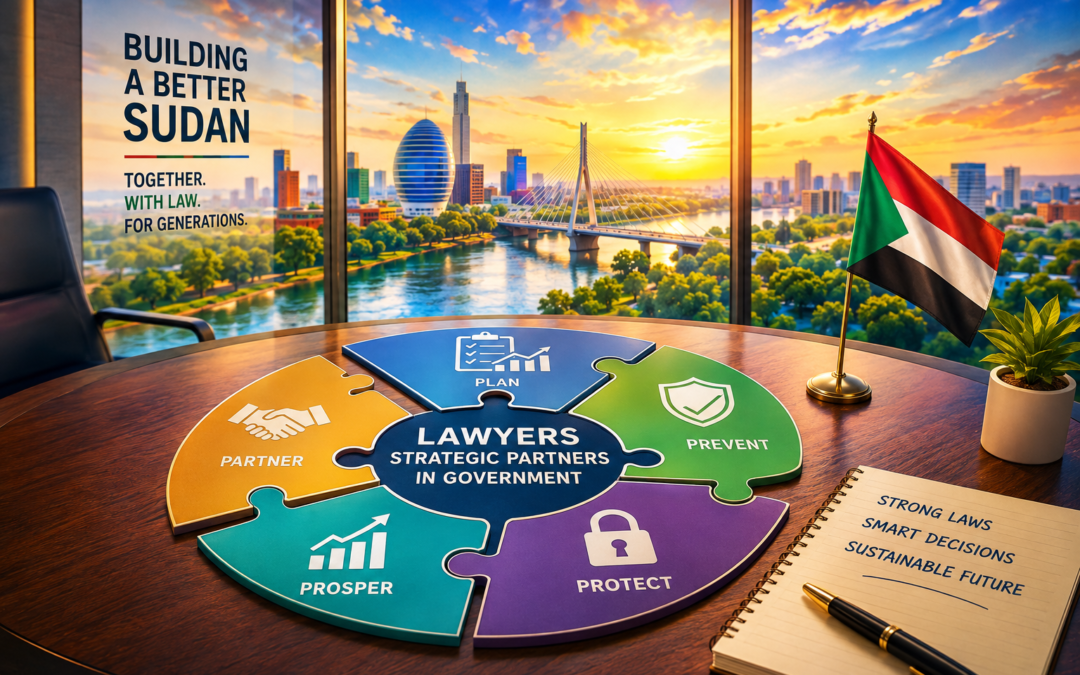
Lawyers – Strategic Partners in Government – Not Firefighters
There is a persistent misconception in public administration that lawyers are needed mainly when something has gone wrong, when a dispute has arisen, a contract is failing, a government decision is challenged, or litigation has already begun.
By then, the lawyer is effectively being asked to act as a firefighter: called in to contain damage rather than help prevent it.

Beyond Oil Transit: A New Legal and Economic Framework for Sudan–SouthSudan Cooperation
Sudan and South Sudan are politically separate states, but their economic futures remain connected by pipelines, ports and a shared dependence on oil. Geography has created an enduring reality: South Sudan possesses much of the oil, while Sudan controls much of the infrastructure required to transport it to international markets. Neither country can fully realise the value of these resources without the cooperation of the other.

Sudan’s National Economy: The Tangible and Intangible Value of Legal Services
A national economy rests upon both tangible and intangible foundations. At its core, economic activity is generated through the production, sale and delivery of goods and services. While the economic contribution of physical goods is generally visible and readily measurable, the value created by professional services is often less apparent, despite being equally significant.
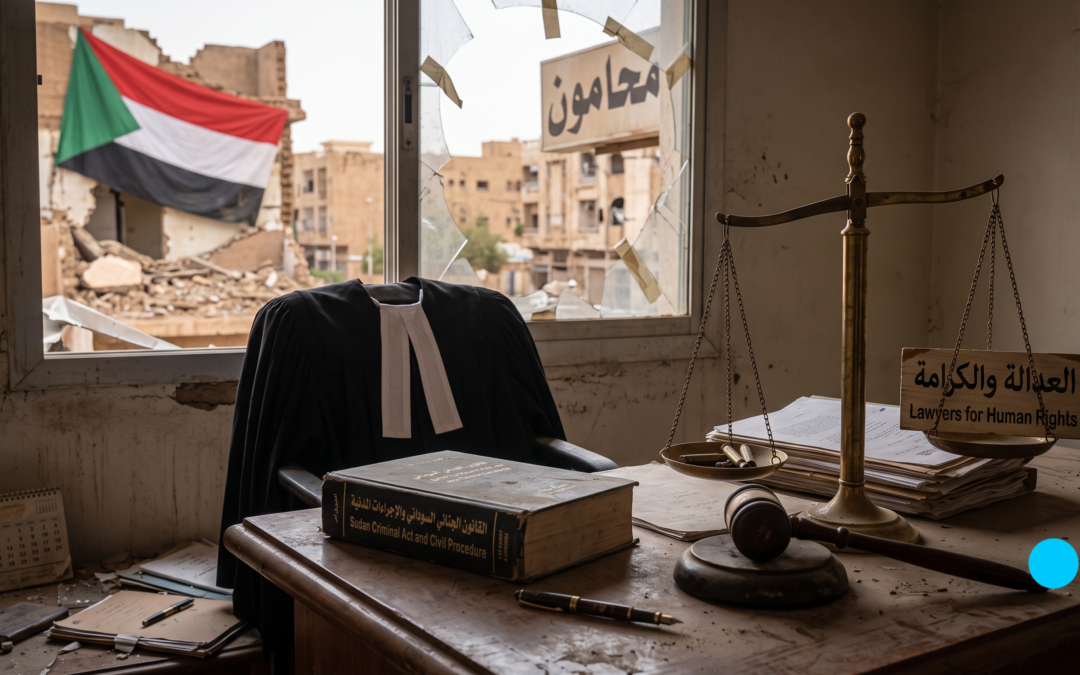
Lawyers in Wartime: Soldiers of a Different Kind
Since 15 April 2023, Sudan has experienced one of the most devastating conflicts in its modern history. The war has caused an unprecedented humanitarian crisis, resulting in widespread loss of life, the displacement of millions, and the destruction of public institutions, infrastructure, and the social fabric of the country.
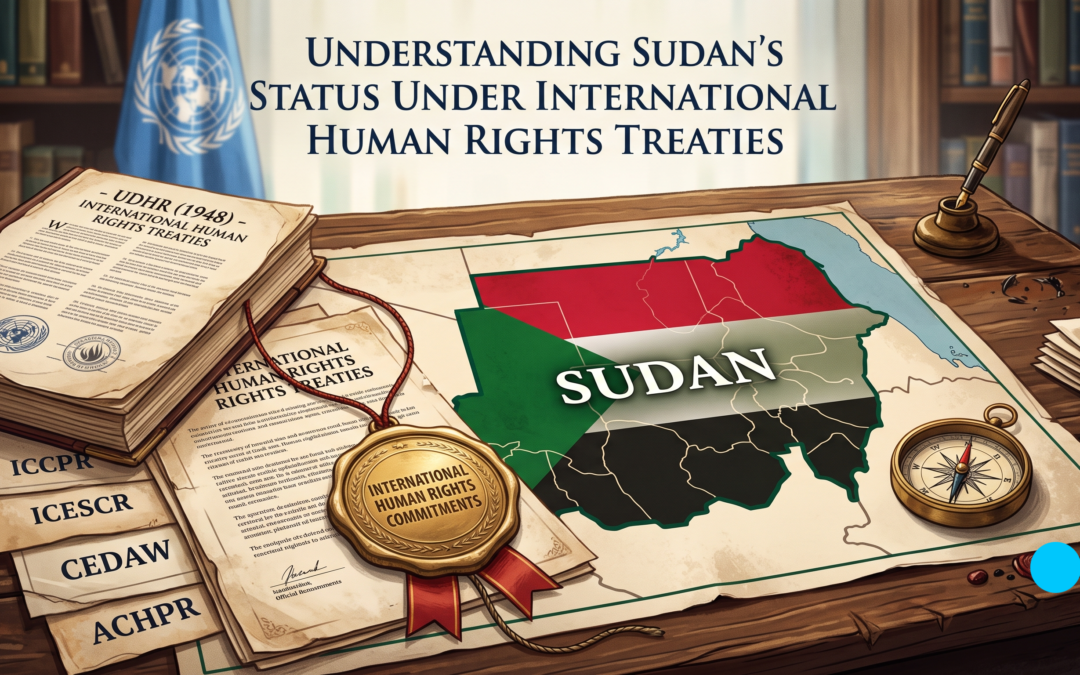
Understanding Sudan’s Status under International Human Rights Treaties
International human rights treaties are agreements between States that establish legal standards for the protection and promotion of fundamental human rights. These treaties address issues such as the prohibition of torture, the protection of children, the elimination of discrimination, and the safeguarding of civil, political, economic, social, and cultural rights. A State’s participation in these treaties reflects its commitment to the international human rights system and the obligations it has accepted under international law.